
Latest Version
Obsidian
Finance
Linux
Free
md.obsidian.Obsidian
Report a Problem
More About Obsidian
A New Era of Local-First Note-Taking
In a world dominated by cloud-reliant tools, the Obsidian Markdown knowledge base stands out by keeping your data exactly where it belongs: on your local machine. Operating on top of a local folder of plain text Markdown files, this application treats your notes as a durable personal archive. Because it relies on standard Markdown, you retain full ownership of your data without worrying about proprietary format lock-ins. Whether you are drafting a novel, managing complex research, or building a personal wiki, this tool changes how you interact with your own thoughts.
How the Obsidian Markdown Knowledge Base Works in Practice
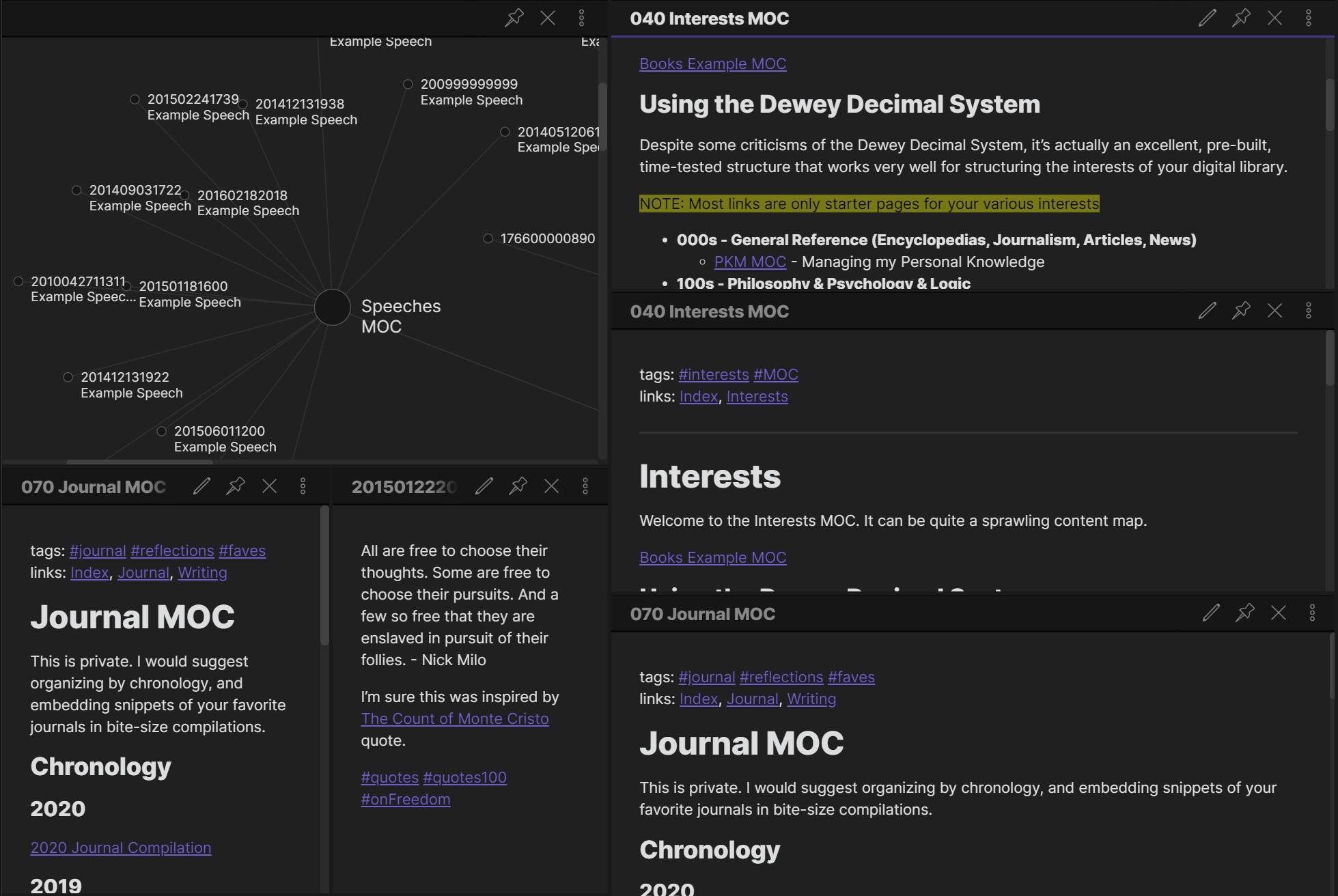
The core philosophy of the Obsidian Markdown knowledge base is connection. Instead of forcing your notes into rigid hierarchical folders, it encourages a web of interconnected ideas. By using simple internal links, you can connect notes dynamically, mimicking the natural associative paths of the human brain.
Key practical features that enhance your daily workflow include:
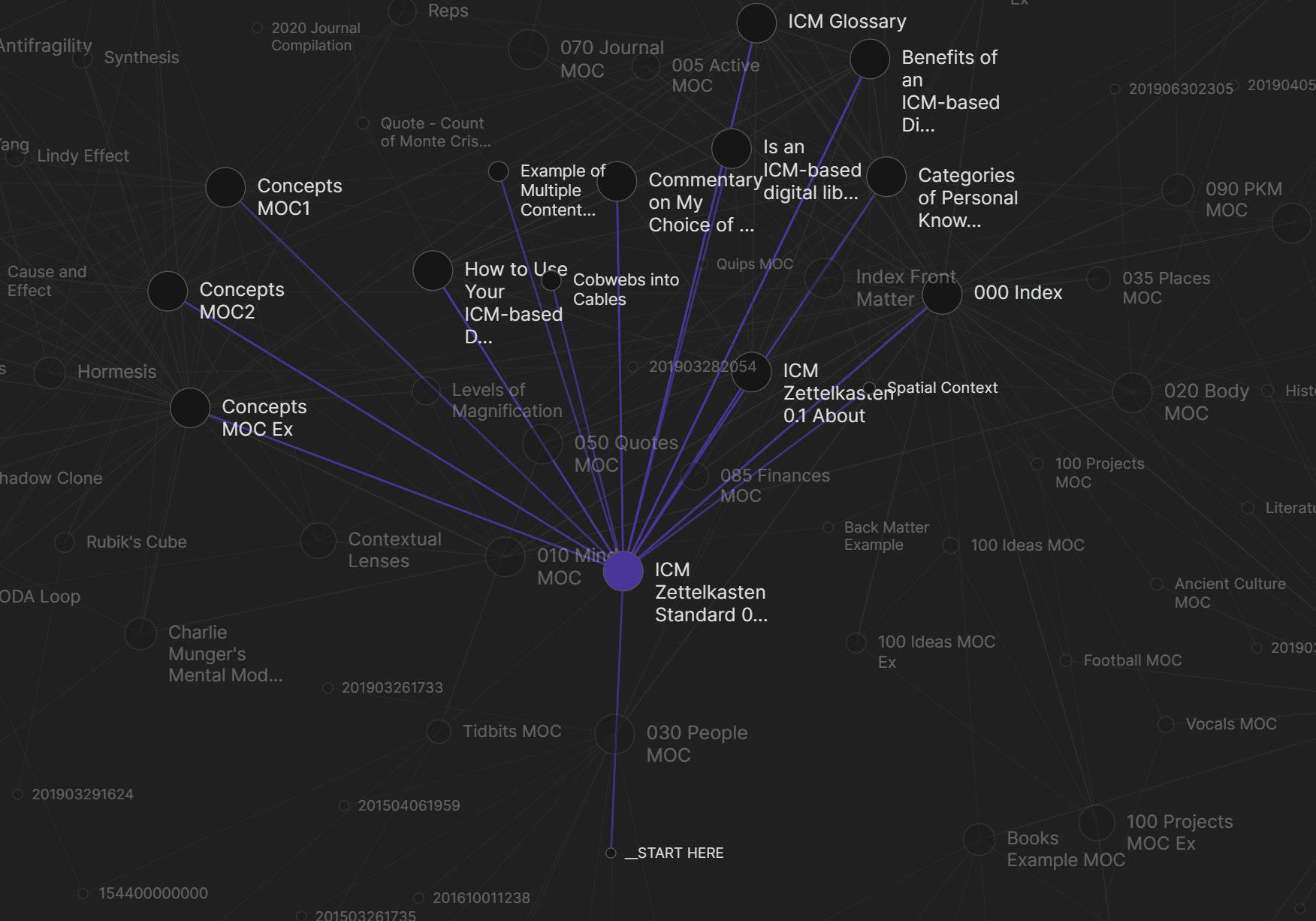
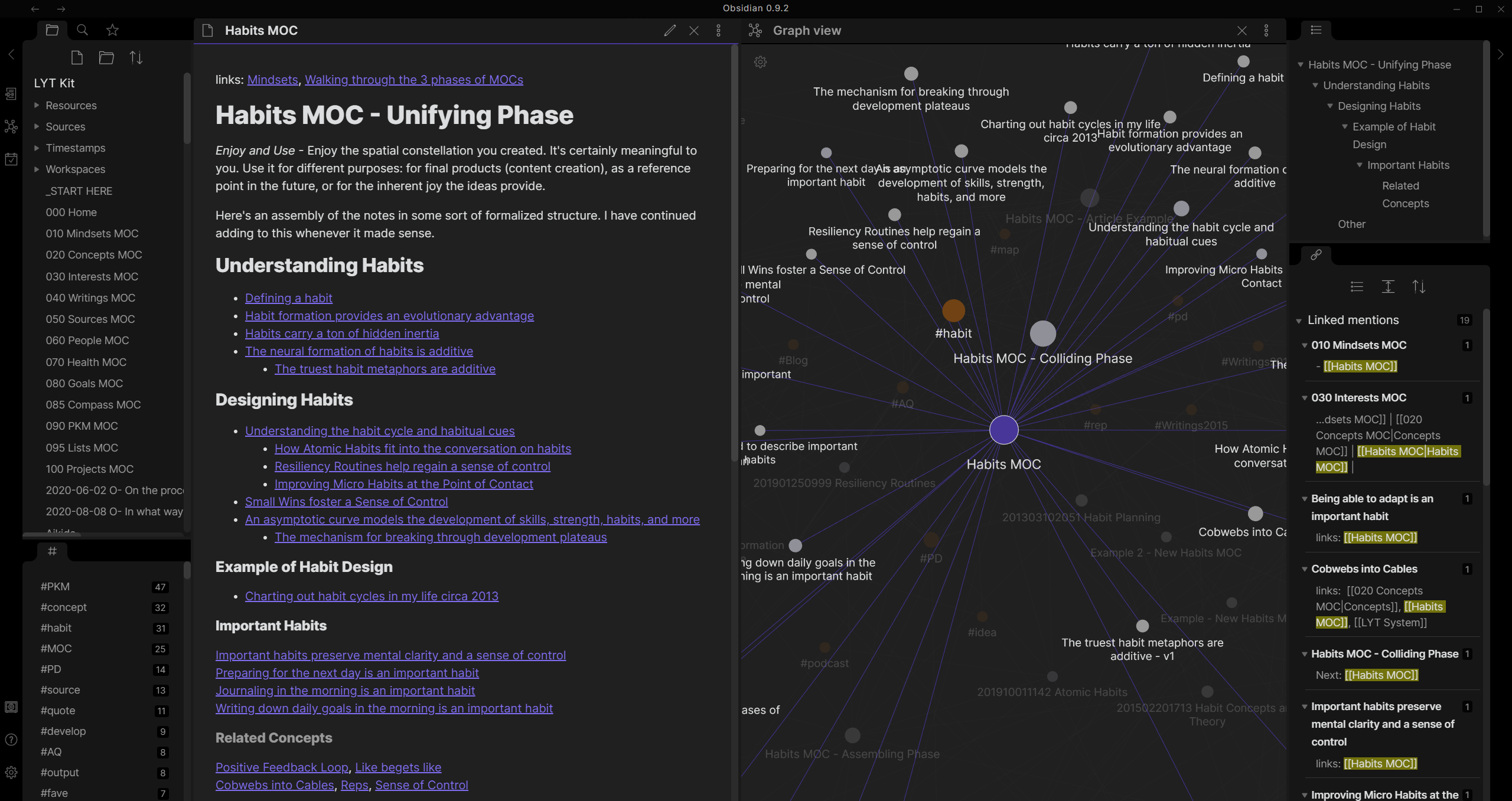
- Interactive Graph View: Visually explore the relationships between your notes. Watch your personal knowledge database grow into a complex, connected neural network over time.
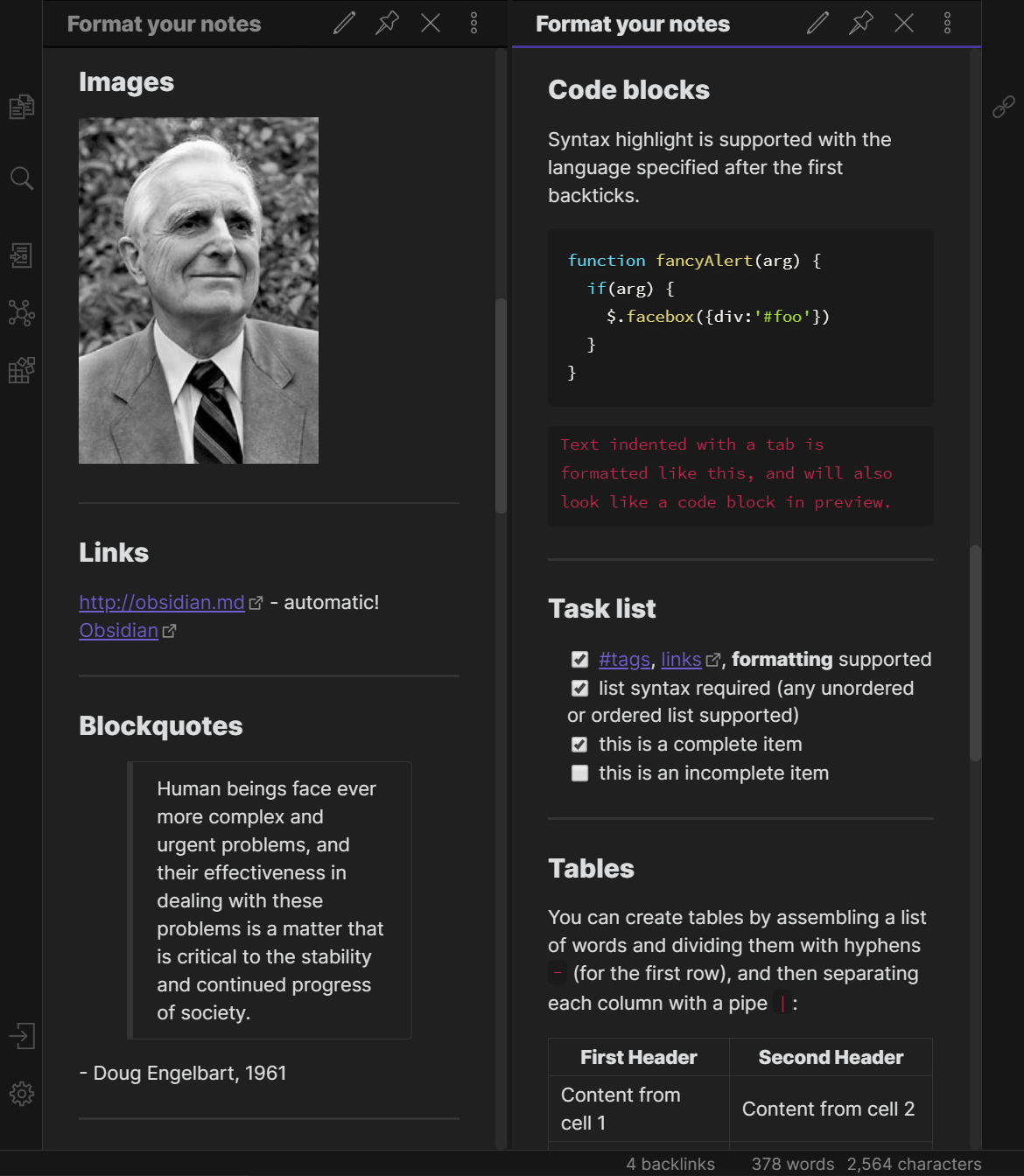
- Standardized Markdown Support: Write with confidence using CommonMark and GitHub Flavored Markdown (GFM) compatibility.
- Rich Formatting Tools: Seamlessly integrate tags, LaTeX mathematical expressions, footnotes, and interactive Mermaid diagrams directly into your documents.
- Embedded Media: Easily embed internal notes or link external files to keep all relevant resources in one unified space.
- Extensible Architecture: Customize your workspace using a robust built-in plugin system featuring over 20 core plugins to scale functionality as your projects grow.
Who is This Knowledge Tool For?
The Obsidian Markdown knowledge base is designed for professionals, researchers, developers, and writers who require a highly customizable, offline-first digital workspace. It is especially suited for those who prioritize data longevity and privacy, as it operates entirely offline by default. Linux users will appreciate its dedicated flatpak packaging, which offers sandboxed security alongside advanced configuration options like Wayland support for smooth pinch-to-zoom gestures and customizable directory access permissions.
The Verdict: A Flexible Powerhouse
By treating your notes as a plain-text network, this platform ensures your knowledge remains accessible decades from now. It is incredibly flexible, serving as anything from a simple daily journal to a massive, interconnected research database. If you are ready to take control of your digital notes and build a second brain, head over to the official Flathub store page to explore the app further and see how it fits into your Linux productivity setup.
Rate the App
User Reviews











Popular Apps










Editor's Choice